Why adjustable dumbbells finally grew up
For years, adjustable dumbbells were a reluctant compromise: cheaper than a rack, but wobbly, slow to change, and prone to plate-drop anxiety. That trade-off has largely closed. The current generation seats plates with a confident mechanical click and holds rigid under load, making them the default investment for a serious home gym.
The mechanism question
Two mechanisms dominate the market. Dial systems select weight before lifting the handle, which is faster between sets but adds moving parts. Pin-select systems are simpler and often cheaper, but require aligning the handle with the desired plates. Neither is objectively better — the right choice depends on how often you change weight mid-session.
What to test before buying
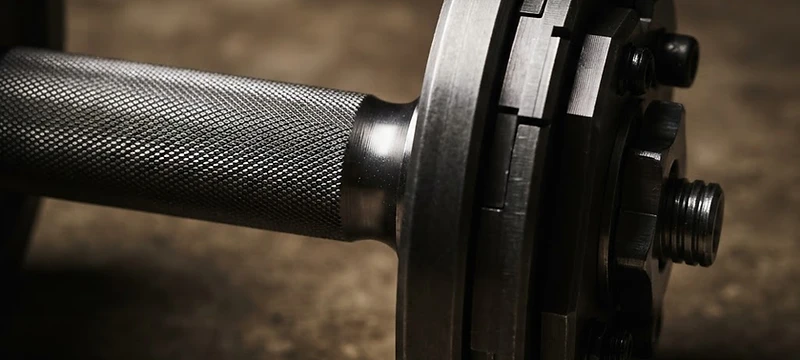
Look for lateral play under load, the quality of the knurling, and how the handle length affects your range of motion at the bottom of a curl. A longer dumbbell can limit ROM on chest and biceps work, which matters more than most spec sheets admit.
What is coming next
The next wave is digital load tracking — racks and dumbbells that log reps, tempo, and volume to an app. The hardware is already good; the open question is whether the data earns its subscription, or whether it is another feature looking for a problem.